

Finite Element Analysis
Turning complex physics into reliable engineering decisions
Our Finite Element Analysis (FEA) services provide accurate, simulation-driven insights to predict real-world structural, thermal, dynamic, and multi-physics behavior. We support linear and nonlinear analysis, vibration and seismic assessment, thermal and coupled-field simulations, and electromagnetic analysis using advanced commercial and open-source solvers. Our approach focuses on engineering accuracy, code compliance, and practical decision-making, helping clients reduce risk, optimize designs, and validate performance before fabrication or operation.
Structural
Non Linear
Modal
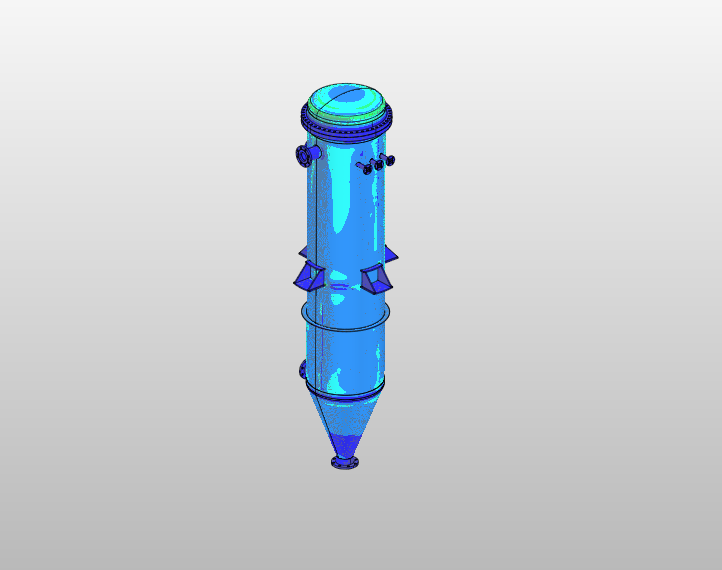
Accurate static structural analysis to evaluate stresses, deflections, and safety margins under real-world loading conditions
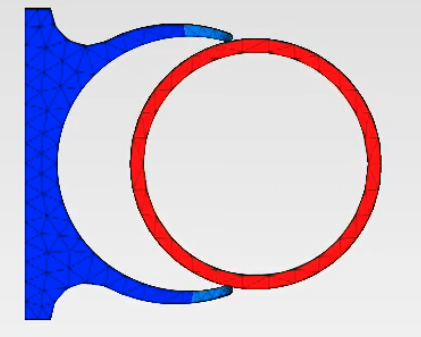
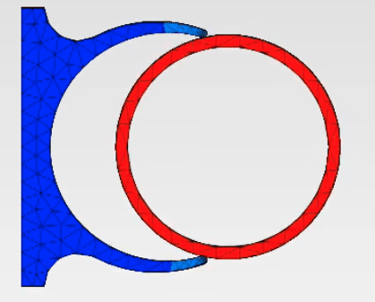
Advanced nonlinear analysis to accurately capture real-world behaviour including large deformation, material non-linearity and complex contact effects
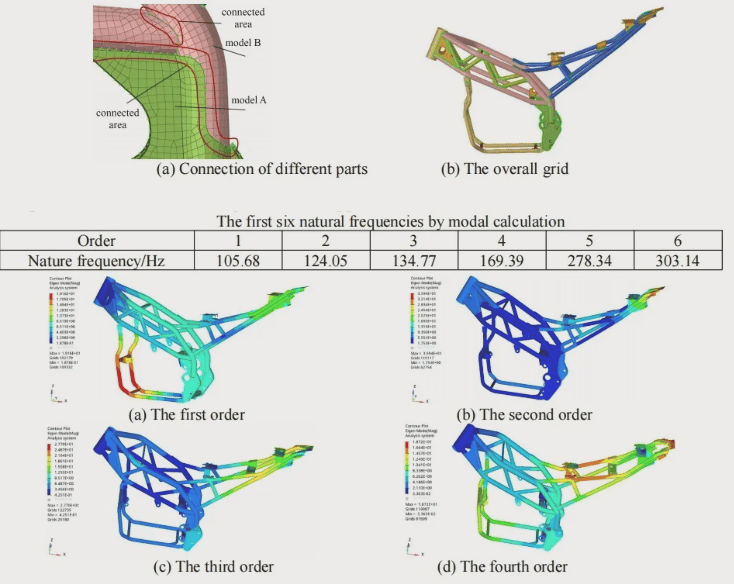
Modal analysis to determine natural frequencies and mode shapes, ensuring structural reliability and vibration-safe designs
Vibration
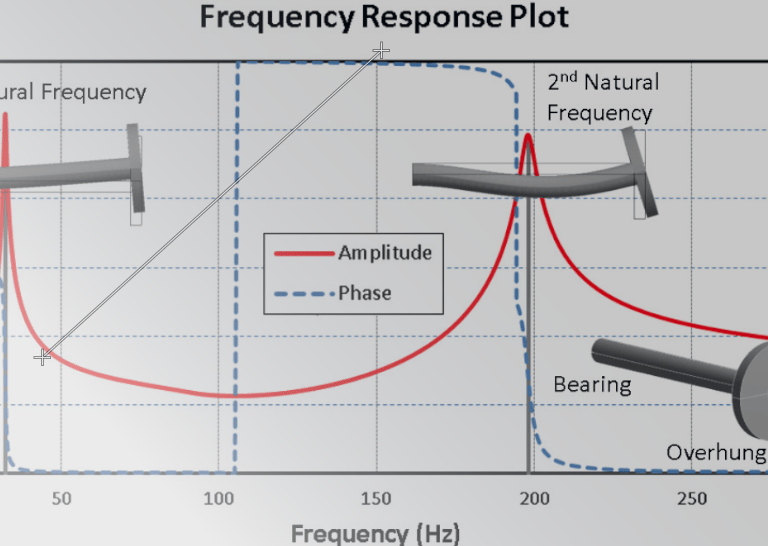
Frequency response analysis to predict steady-state vibrations and dynamic amplification under harmonic loading.
Thermal
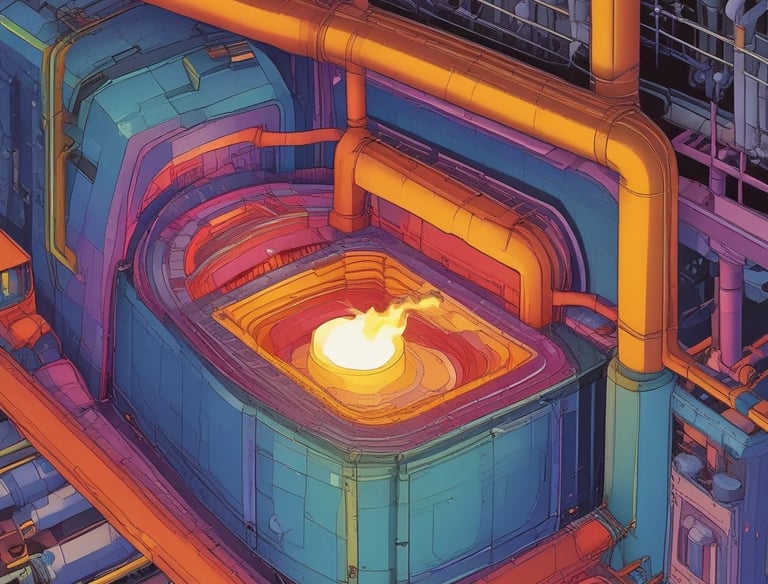
Thermal analysis to assess temperature distribution, heat flow, and thermal stresses under steady-state and transient conditions
Thermo-Structural
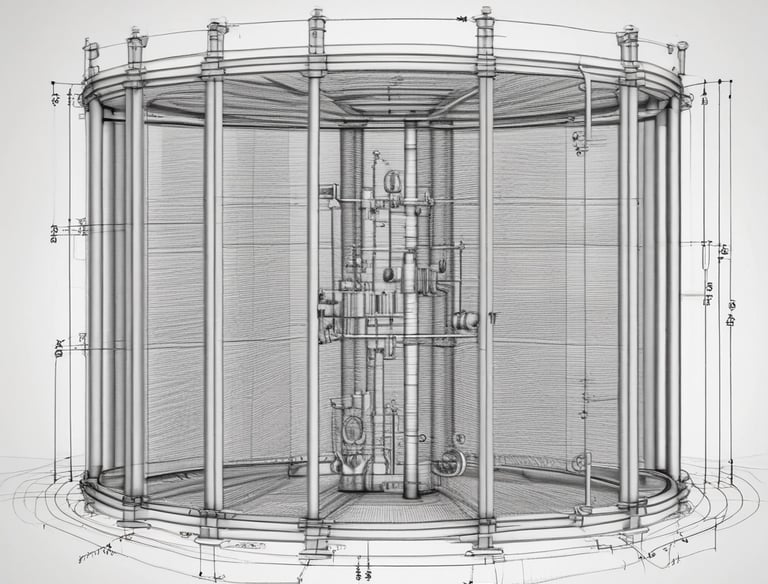
Coupled field analysis capturing thermal-structural interactions for realistic performance assessment of multi-physics engineering systems
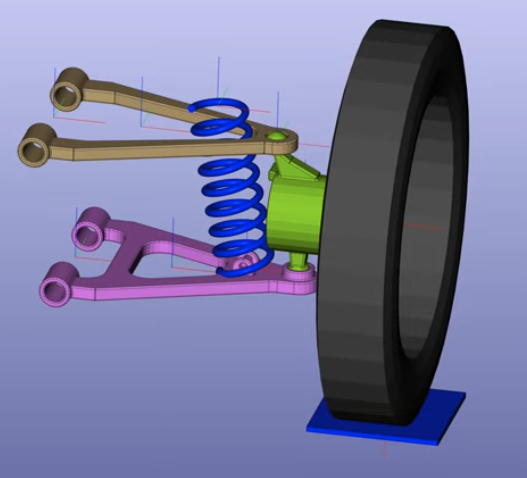
Rigid Body Dynamics
Rigid body dynamics simulations to evaluate motion, forces, and kinematics of complex mechanical systems
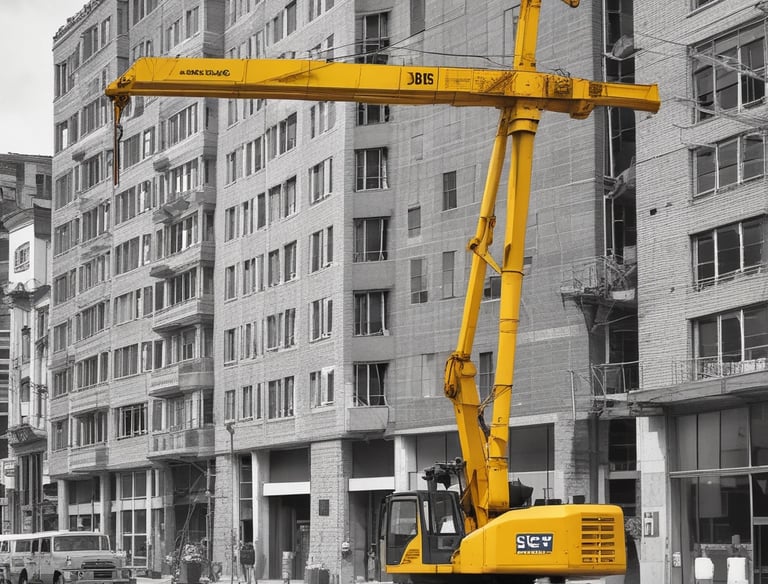

Seismic/Earthquake
Seismic analysis to assess structural response under earthquake loading in compliance with international design codes


Electromagnetic
Electromagnetic analysis to evaluate magnetic fields, forces, losses, and performance of electrical machines, power equipment, and electromagnetic systems.
Finite Element Analysis Services Offerings
Industries We Serve
Power & Energy
Critical analysis of boilers, pressure vessels, pipelines, HRSGs, wind structures, and seismic-resistant energy infrastructure.
Oil & Gas / Process Industries
Design and integrity assessment of pressure equipment, piping systems, rotating machinery, and safety-critical assets under extreme conditions.
Aerospace & Advanced Manufacturing
High-fidelity structural, thermal, and dynamic simulations for lightweight components, fatigue-critical parts, and precision assemblies.
Industrial Machinery & Infrastructure
Structural, modal, seismic, and dynamic analysis of heavy machinery, industrial equipment, towers, stacks, and plant structures.
Frequently Asked Questions (FAQ)
What is Finite Element Analysis (FEA)?
Finite Element Analysis is a numerical simulation technique used to predict stress, deformation, vibration, thermal behavior, and multi-physics response of engineering components and systems under real operating conditions.
When is FEA mandatory according to design codes?
FEA is explicitly required or strongly recommended in codes such as ASME Section VIII Division 2, ASME B31.3 (for local stresses), API 579/ASME FFS-1, and EN 13001 for cranes.
Do regulatory authorities accept FEA-based design?
Yes. When performed correctly and documented properly, FEA is widely accepted by third-party reviewers, notified bodies, and regulatory authorities as part of Design by Analysis (DBA).
Which standards guide good FEA practice?
Good FEA practice follows guidance from ASME VIII Div 2 Part 5, ASME BPVC Annexes, API 579, Eurocodes, and industry-recommended meshing and convergence criteria.
Can FEA replace hand calculations?
FEA does not replace engineering judgment. It supplements hand calculations and is essential when geometry, loading, or material behavior is complex or nonlinear.
Is FEA required for seismic and vibration analysis?
Yes. Seismic, modal, frequency response, and fatigue evaluations commonly rely on FEA, especially for tall structures, machinery, and equipment subject to dynamic loads.
Do you provide FEA reports suitable for audits or approvals?
Yes. Our FEA reports are structured for technical review, including assumptions, code references, load cases, mesh convergence, results interpretation, and conclusions.
What types of FEA do you provide?
We provide static structural, nonlinear, modal, frequency response, thermal, coupled-field, seismic, rigid body dynamics, and electromagnetic analyses tailored to project requirements.
Which software tools do you use for FEA?
We use a combination of industry-recognized commercial tools and validated open-source solvers, selecting the most suitable platform based on accuracy, code compliance, and client needs.
Do you perform code-compliant analysis?
Yes. Our FEA work is routinely aligned with code requirements such as ASME Section VIII Division 2 (Design by Analysis), ASME B31.3, API 579/ASME FFS-1, EN 13001 (cranes), and seismic standards like ASCE 7 and Eurocode 8.
Can you handle nonlinear and large deformation problems?
Absolutely. We specialize in material nonlinearity, geometric nonlinearity, and contact nonlinearity to accurately capture real-world behavior beyond linear assumptions.
What information is required to start an FEA project?
Typically, we require geometry or drawings, material data, loading and boundary conditions, applicable design codes, and project objectives. We also assist in defining inputs if needed.
What deliverables do you provide?
Deliverables include a detailed engineering report, result plots and animations, verification checks, design recommendations, and supporting calculation files when required.
Can you support design optimization and design verification?
Yes. We support both early-stage design optimization and final design verification, including fatigue, service life assessment, and safety margin evaluation.
How do you ensure accuracy and reliability?
We follow best-practice meshing strategies, validated material models, convergence checks, and engineering judgment, combined with peer review and code-based verification.
+91-9879488468
© 2025. All rights reserved.